The Role of Physical Therapy in Home Health Care Recovery
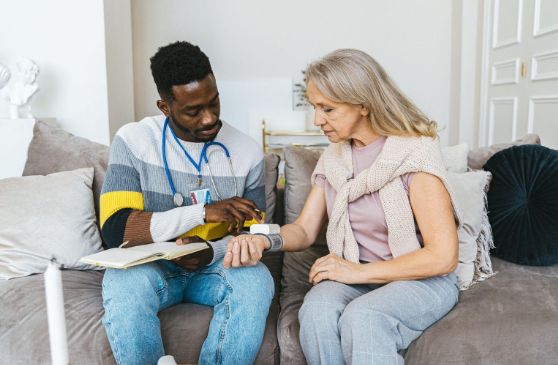
Recovery after an illness, injury, or surgery often requires steady support and consistent care. Many people prefer to heal in the comfort of their own homes, where they feel safe and relaxed. Home health care makes this possible, and physical therapy is a major part of that process. It helps individuals regain strength, move with confidence, and return to daily activities at their own pace.
Here’s how physical therapy supports recovery in home health care, what therapists do during visits, and why this approach benefits both patients and families.
Supporting Recovery at Home
Physical therapy in home health care focuses on helping a person regain movement and function within their living environment. The goal is to help them perform daily tasks more independently while preventing complications.
Recovering at home can feel less stressful than staying in a hospital or rehabilitation center. The familiar surroundings and family support can improve comfort and motivation. A physical therapist plays a key role by designing treatment plans that match the patient’s condition, living space, and personal goals.
A therapist first evaluates the patient’s health, mobility, posture, strength, pain levels, and medical history. They observe how the patient moves in their home, such as getting out of bed, sitting in a chair, or walking through hallways. This helps identify what needs improvement and what exercises will be most helpful.
Managing Pain During Recovery
Pain is common after surgery, injury, or long illness. Without proper guidance, pain can lead to reduced movement, which may slow down recovery. Physical therapy offers safe methods to manage pain and keep the body active.
A therapist may use gentle exercises to relieve stiffness and improve blood flow. Stretching, strengthening activities, and posture training help reduce discomfort. Sometimes, simple manual therapy techniques like soft tissue work can support muscle relaxation.
By teaching the patient how to move in a safe way, physical therapy lowers the risk of re-injury and helps the body work more smoothly. Over time, pain reduces and movement becomes easier.
Improving Strength and Mobility
One of the main goals of physical therapy is to help the patient regain strength and mobility. Illness or long hospital stays often cause muscles to weaken. A therapist provides exercises that gradually rebuild muscle strength without causing strain.
These exercises may include:
- Gentle movement routines
- Balance and coordination training
- Walking practice
- Leg and arm strengthening exercises
The therapist adjusts the exercises based on progress. Small improvements, such as standing up without support or walking a few extra steps, play a major role in recovery. The therapist also teaches the patient how to maintain these gains throughout daily life.
Preventing Falls and Injuries
Falls are a serious concern for people recovering at home, especially older adults. Loss of balance, weak muscles, and unfamiliar movement patterns increase fall risk. Physical therapy helps reduce this risk.
The therapist may look at how the patient walks and identify areas of instability. They might also examine the home for possible hazards like loose rugs, cluttered walkways, or slippery surfaces. Simple adjustments, such as better lighting or supportive footwear, improve safety.
Balance training exercises are introduced to help the patient stand, turn, and move without fear. As balance improves, confidence increases, making daily activities safer.
Supporting Daily Activities
Daily tasks such as dressing, bathing, cooking, or climbing steps require coordination and strength. During home health therapy, the therapist teaches ways to make these tasks easier and safer.
For example, if a patient finds it difficult to get out of bed, the therapist may show a safer technique that protects the back. If climbing stairs feels tiring, the therapist may work on leg muscle strength and breathing control. Every activity is broken down into simple steps so the patient can follow them without confusion.
The therapist also suggests useful equipment when needed. Items like handrails, walker support, or raised seating can help the patient move with more confidence.
Encouraging Long-Term Progress
Recovery does not end after the physical therapist leaves. The patient receives exercises to practice on their own, along with guidance to keep improving. The therapist often sets realistic goals that can be reached gradually. This helps the patient stay motivated and track their progress.
Family members may also receive instructions on how to support the patient. When families understand how to help, recovery often becomes smoother and more positive.
Working Together with the Healthcare Team
Physical therapists communicate with doctors, nurses, and caregivers to support overall care. Regular updates are shared so everyone understands how the patient is progressing. This teamwork helps adjust the plan whenever needed.
For example, if a patient is healing faster than expected, the therapist may introduce more advanced exercises. If pain increases, the plan is adjusted to make movements safer and more comfortable.
This coordination makes home health recovery more organized and less stressful for the patient and their family.
Why Home-Based Physical Therapy Makes a Difference
Physical therapy in home health care is not only about exercise. It is about restoring confidence and independence. Patients learn how to move safely in the environment they use every day. They strengthen their bodies at a pace that feels comfortable. And they gain skills that help them stay active long after therapy ends.
Healing at home allows patients to feel supported while staying close to loved ones. The therapist’s guidance provides structure and direction, helping the body recover step by step.
Regain strength and confidence with professional support right at home. At
Five Star Home Health Care Agency, we provide trained physical therapists who guide recovery with care and steady progress. Every plan is personalized to your needs and comfort.
Contact us today to get started with home-based physical therapy that helps you move forward.